
Why Children Should Spend Time in Nature
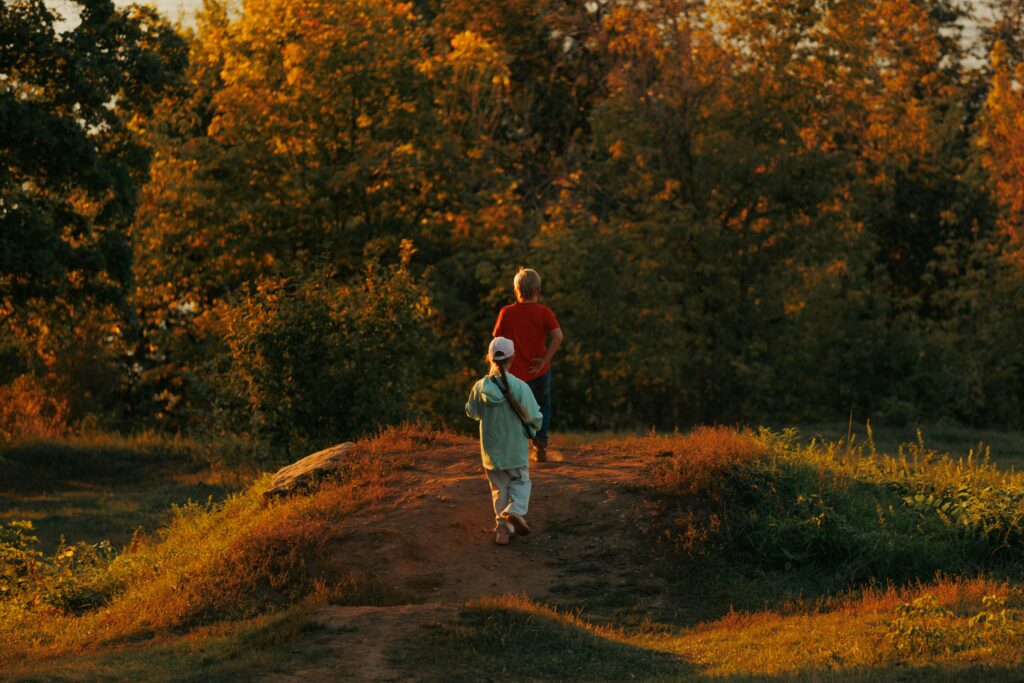
In today’s world, children spend more time indoors than ever before. With the rise of television, video games, and smartphones, outdoor play has been replaced by screens. However, spending time in nature is vital for a child’s physical, mental, and emotional development. Nature provides opportunities for exercise, sparks imagination, reduces stress, and teaches responsibility toward the environment.
Outdoor activities in nature keep children physically healthy. Running, climbing, biking, or simply walking outdoors strengthens muscles, improves coordination, and builds endurance. Unlike structured sports, nature play often involves unplanned movement that develops a child’s balance and flexibility. When children move their bodies every day, they reduce the risk of becoming overweight and build healthy habits for life. Time in fresh air and sunlight also helps the body produce vitamin D, which is important for strong bones.
Nature also benefits children’s mental health. Studies show that children who spend time outside are calmer, less anxious, and better able to concentrate. Nature reduces stress and provides a sense of freedom that crowded classrooms and digital screens cannot. The quietness of a park or forest gives children space to think, reflect, feel at peace, reduce stress and allows them to release their energy in a positive way.
Time in nature encourages creativity and imagination. When children play outdoors, they invent games, build forts, or imagine adventures. A stick can become a magic wand, and a tree can become a castle. Watching birds fly, clouds change shape, or insects crawl can make children ask questions and dream of new ideas. These experiences awaken curiosity and can even lead to a love of science, art, or storytelling. They develop problem-solving skills and resourcefulness that are difficult to gain from electronic entertainment. Children can build forts, create obstacle courses, or pretend they are explorers in a jungle. This freedom sparks creativity and allows them to express themselves.
Finally, and quite important in many ways, spending time in nature helps children develop respect for the environment as they get to understand how all living things are connected. They learn that trees provide oxygen, rivers give water, and animals keep the ecosystem balanced.. By observing animals, planting trees, or caring for a garden, children learn that they are part of a larger ecosystem. This early connection to nature can inspire lifelong habits of sustainability and care for the planet. When children learn to value animals, plants, and natural spaces, they also develop compassion toward people. This respect strengthens their character and sense of responsibility.
Learning and enjoying nature is essential for children’s growth. It supports physical health, improves mental well-being, inspires creativity, and nurtures responsibility toward the environment. Parents and schools should encourage children to play outside regularly. In a fast-paced digital age, reconnecting with nature may be one of the most valuable gifts we can give the next generation.